
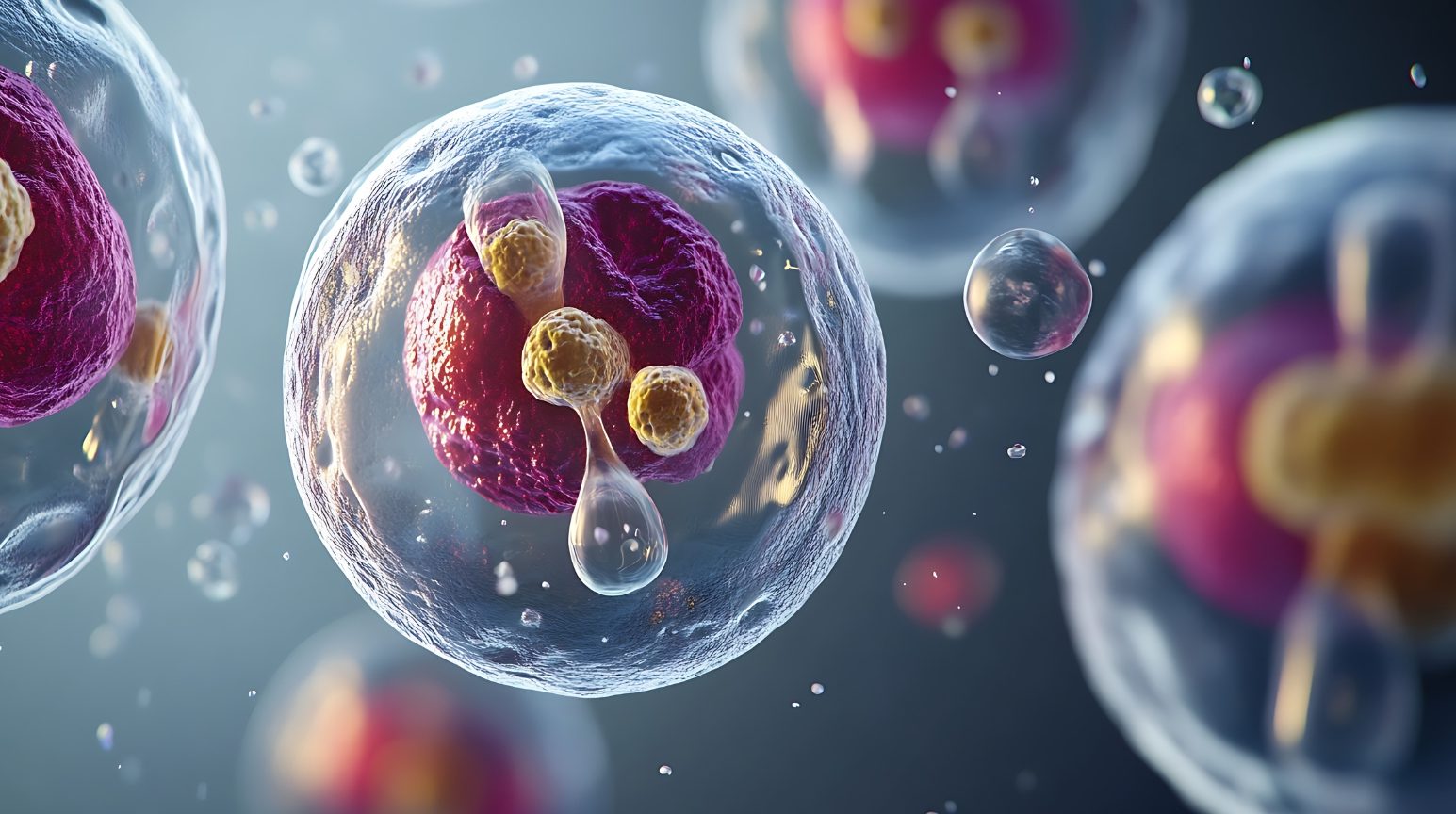
Aging is often described as a natural part of life, but on the cellular level, it is anything but simple. When we talk about cells and aging, we’re really talking about thousands of microscopic changes happening long before we ever see signs of aging on the outside. One of the most important of these changes is something called cellular senescence, a process that influences everything from tissue repair to inflammation and long-term health. These changes are at the heart of what researchers refer to as cellular senescence and aging, a central focus of modern longevity science.
But what is the true senescence definition? Why do cells enter this state, how do we study it, and what does this mean for the future of longevity and regenerative medicine? A recent review from researchers at Johns Hopkins University and the National Institute on Aging sheds new light on how scientists model aging in the lab and how these discoveries are opening doors to new therapies designed to help the body age more gracefully.
What Is Cellular Senescence?
Cellular senescence is a protective response that occurs when a cell becomes too damaged to function safely. Instead of continuing to divide, and potentially becoming cancerous, the cell permanently switches off its ability to reproduce. So in some ways, senescence is a good thing.
Think of senescent cells as “retired” cells: they’re alive, but they’re no longer working the way they should. They still need to be fed, so they take up resources without contributing to the community of cells.
Instead of quietly fading away, senescent cells often become highly active, releasing inflammatory molecules, enzymes, and signals known collectively as the senescence-associated secretory phenotype (SASP) — a major driver connecting cellular senescence and aging. Over time, this leaky activity can disrupt tissue repair, accelerate aging, and contribute to chronic disease.
This connection between cellular senescence and aging makes senescent cell accumulation one of the most important biological hallmarks of aging, influencing everything from inflammation to tissue repair. The more senescent cells that build up, the more likely tissues are to experience inflammation, stiffness, slower healing, and degeneration. Further, the more of these older senescent cells we have, the less proportion of youthful cells we maintain, and the old ones poison the young ones. This means senescent cells drive biological aging.
How Scientists Study Aging in the Lab
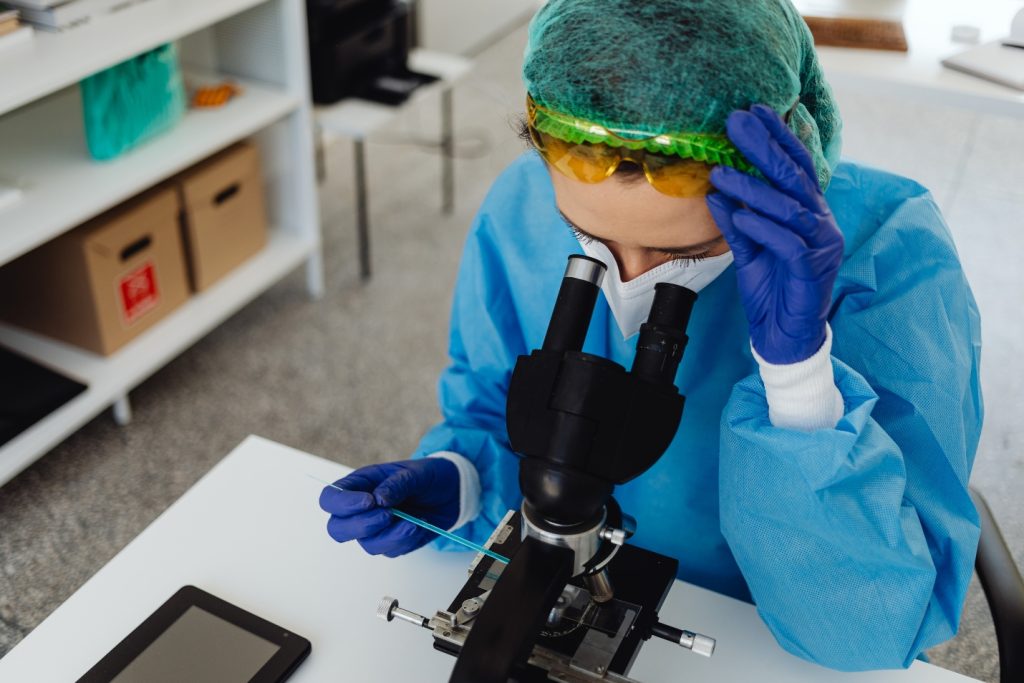
Because humans age slowly, scientists rely on specialized cellular models to study cellular senescence and aging in real time.:
1. Primary Cells
These are cells taken directly from human donors. They naturally carry the biological “history” of the person they came from: the genetics, the environmental exposures, the metabolic patterns, and the accumulated cellular damage.
Primary cells help researchers study authentic, real-world aging. However, they come with limitations: they don’t divide forever, they vary widely from person to person, and they can only be used for a limited number of experiments before they reach their own version of retirement, replicative senescence.
2. Induced Pluripotent Stem Cells (iPSCs)
iPSCs are adult cells that have been reprogrammed back into stem-cell-like states using factors known as OSKM (OCT4, SOX2, KLF4, MYC). This process wipes away signs of aging entirely, essentially “resetting” the cells to a more powerful embryonic stem cell baseline.
Researchers can then introduce stressors; such as oxidative damage, telomere shortening, or mitochondrial dysfunction to recreate aging features in a controlled environment. While these cells lack the maturity of naturally aged cells, they offer unmatched flexibility for understanding the molecular pathways that drive cellular senescence and aging.
How Scientists Trigger Aging and Senescence on Purpose
To study cellular senescence and aging, researchers often induce senescence in the lab using:
- Genotoxic stress (like radiation or DNA-damaging drugs)
- Oxidative stress
- Telomere shortening
- Oncogene activation
- Metabolic stress
These methods allow scientists to create senescent cell populations and measure how they behave, what genes they turn on, and how they communicate with surrounding cells; critical insights for understanding cellular senescence and aging in controlled environments.
Senescent Cell Removal: A New Frontier
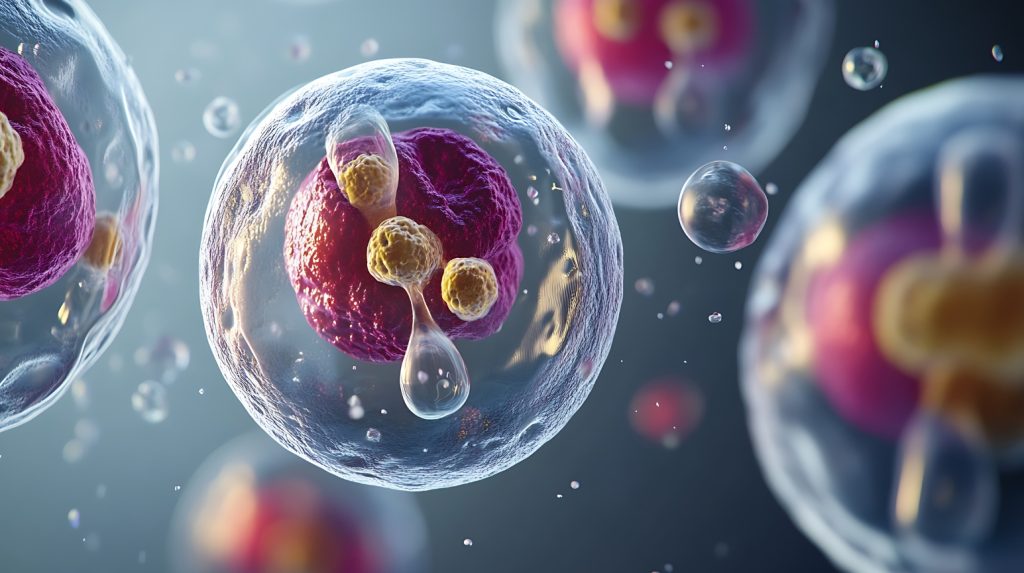
One of the most exciting areas highlighted in the review is the emergence of therapies designed for senescent cell removal. Removing senescent cells is known as a senolytic strategy—an approach shown in animal models and at least one human study to reduce inflammation, improve tissue repair, and extend healthspan.
Some interventions studied include:
- Dasatinib + Quercetin (D+Q)
- Fisetin
- Mitochondrial-targeted antioxidants
- mTOR inhibitors like rapamycin
- Sirtuin activators like NAD+ precursors (NR, NMN), LONGEVEX (plant derived exosomes)
- Epigenetic rejuvenation using partial reprogramming with OSKM factors
- Immune cell enhancement using Natural Killer (NK cells) and/or their exomes
Also described are emerging immune-based approaches such as CAR-T cells engineered to recognize and eliminate senescent cells, a cutting-edge but lab intensive strategy that could one day serve as a precision tool for cleaning up toxic, aged cell populations.
The general concept is simple but powerful: When senescent cells are removed, the surrounding healthy cells can function more efficiently, restoring a more “youthful” tissue environment. This makes targeted senescent cell removal one of the most promising strategies for addressing cellular senescence and aging at its root.
Why Does This Matter for Longevity and Regenerative Medicine?
The publication underscores a crucial point: no single model perfectly captures all aspects of aging, but each model teaches us something valuable. Together, they help identify the cellular pathways that decline with age, and the interventions capable of restoring them.
As regenerative medicine evolves, many of the strategies discussed are directly relevant to human health, especially those that address the biological mechanisms linking cellular senescence and aging, rather than just treating symptoms of age-related decline.. These include:
- Improving mitochondrial health, such as with peptides
- Enhancing protein quality control
- Supporting DNA repair
- Reducing chronic inflammation
- Targeting and removing senescent cells
For individuals exploring longevity medicine or regenerative approaches, this research further underscores aging may be influenced, not merely endured.
Frequently Asked Questions About Cellular Senescence and Aging
What is the relationship between cellular senescence and aging?
Cellular senescence and aging are closely linked biological processes. As we age, damaged or stressed cells increasingly enter a senescent state, where they stop dividing but remain metabolically active. Over time, the accumulation of these senescent cells contributes to chronic inflammation, impaired tissue repair, and many age-related conditions.
Is cellular senescence always harmful?
Not necessarily. Cellular senescence plays an important protective role by preventing damaged cells from becoming cancerous and supporting wound healing in the short term. Problems arise when senescent cells accumulate faster than the body can clear them, tipping the balance toward inflammation and tissue dysfunction associated with aging.
What is senescent cell removal, and why is it important?
Senescent cell removal refers to strategies designed to selectively eliminate senescent cells, often called senolytic approaches. Research suggests that reducing senescent cell burden may improve tissue function, lower inflammation, and support healthier aging by addressing one of the root contributors to cellular senescence and aging.
How do scientists study cellular senescence and aging in the lab?
Researchers use a combination of primary human cells and induced pluripotent stem cells (iPSCs) to model cellular senescence and aging. By applying controlled stressors such as DNA damage, oxidative stress, or telomere shortening, scientists can observe how aging develops at the cellular level and test potential regenerative interventions.
Can regenerative medicine influence cellular senescence and aging?
Emerging regenerative and longevity-focused approaches aim to support cellular health by improving mitochondrial function, enhancing protein quality control, reducing chronic inflammation, and targeting senescent cells. While research is ongoing, these strategies reflect a shift toward addressing the underlying biology of aging rather than just its symptoms.
ReCELLebrate: Your Partner in Cellular Renewal
At ReCELLebrate, we believe aging is not just about the years you live, but the vitality with which you live them. By understanding the science of cellular senescence and the pathways that influence how our tissues age, we can make informed decisions that support healthier longevity from the inside out.
If you’re ready to explore evidence-informed regenerative strategies rooted in the latest science of cellular senescence and aging, our regenerative medicine specialist Dr. Jeff Gross is here to guide you.
Your cellular renewal journey starts with one conversation. Contact us today to explore personalized regenerative and longevity-focused options designed for your unique biology.
Live beautifully longer.
References
Kim B., Lee D.I., Basisty N., Dai D.-F. Cellular Models of Aging and Senescence. Cells. 2025;14:1278.