
Cells don’t heal in isolation. Every cell in your body is constantly listening.
Not just for nutrients or oxygen, but for information—signals that tell it when to repair, adapt, rest, or renew. Health, at its most fundamental level, depends on cellular communication.
As we age, that communication begins to falter. Signals arrive late, or are distorted, never get there, or are completely wrong. As a result, inflammation lingers, and self repair slows. The result isn’t a single failure, but a gradual loss of balance. This is what science describes as declining cellular homeostasis.
For years, regenerative medicine focused on replacement: adding cells, forcing outcomes, overriding systems. But emerging research suggests a more elegant path to restoration of a more youthful cell function, one centered on restoring how cells communicate rather than just replacing what’s lost.
This is where exosomes enter the conversation, and where growing interest in plant-derived exosomes is reshaping how we think about regeneration and longevity.
What are Exosomes?
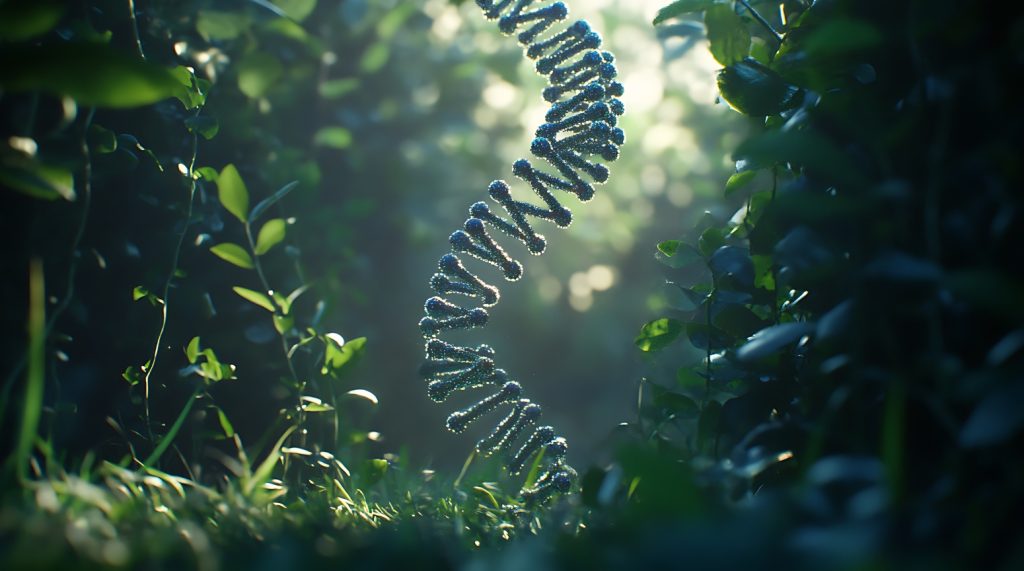
Exosomes are tiny, membrane-bound messenger vesicles released by many cell types, including stem cells, to coordinate repair, regulate inflammation, and maintain tissue integrity. Rather than acting as an external force, they function like a language cells already understand. To be clear, all cells release these vesicles, but the ones derived from stem cells send a reparative, restorative message to our aging and faltering cells.
Recent research has expanded this understanding further, revealing that plant-derived exosomes, naturally occurring nanovesicles from edible plants, can participate in this dialogue as well. These exosomes have demonstrated the ability to survive digestion in our gastrointestinal tract, interact with human cells, deliver phytonutrients at high concentration, and influence pathways related to inflammation, metabolism, and tissue repair.
Healing, it seems, may not require louder signals but clearer ones. A growing body of peer-reviewed research is now exploring how plant-derived exosomes interact with human cells, influencing inflammation, metabolism, and tissue repair through restored cellular communication.
What Are Plant-Derived Exosomes?
Exosomes exist across all forms of life. Plants, like humans, rely on internal communication systems to adapt, repair damage, and maintain balance. Plant-derived exosomes are a key part of that system.
Harvested from edible fruits and vegetables, these nanovesicles carry biologically active cargo (lipids, proteins, and microRNAs) packaged in a way that protects their integrity even in harsh environments. That same resilience allows them to remain intact through digestion and interact meaningfully with human cells.
What makes plant-derived exosomes especially compelling is their role in cross-kingdom communication. Signals created by plants can be recognized and interpreted by human cells, influencing inflammatory pathways, immune balance, and metabolic regulation. This emerging science challenges long-held assumptions about biological boundaries and opens new doors in longevity research.
Equally important is compatibility. Because plant-derived exosomes originate from foods humans have consumed for millennia, they are naturally low in immunogenicity and biologically familiar. In fact, our cells benefit and often need the nutrients supplied by plant derived exosomes. Harnessing these exosomes is an advantage in regenerative and long-term wellness applications.
Why Plants Matter in Exosomal Therapy
Exosomal therapy is not about intervention, it’s about guidance.
Unlike isolated compounds that target a single pathway, plant-derived exosomes deliver bundled biological information that supports system-wide balance. Research suggests they may help modulate inflammatory signaling, support gut integrity, and influence immune responses without disrupting the body’s natural rhythms.
This low-force, high-compatibility approach aligns with a growing shift in longevity science: moving away from aggressive correction and toward restoring coordination across cellular systems.
In this context, exosomal therapy becomes less about treatment and more about restoring clarity in cellular function by nanoparticle communication.
Exosomal Therapy as a Language, Not Just a Treatment
Aging and chronic inflammation are rarely the result of one broken biochemical pathway. More often, they reflect widespread miscommunication—signals that are delayed, muted, or misinterpreted.
Exosomes help bridge those gaps.
Plant-derived exosomes, in particular, act as biological messengers and crucial nutrient delivery rather than commands. Their cargo has been shown to influence gene expression, immune modulation, and metabolic balance without introducing foreign instructions the body must first learn to tolerate. Plant exosomes contain key biochemical “phytonutrients” such as resveratrol, quercetin, fisetin and much more, encompassing classes of bionutrients such as flavonoids. These exosomes from plants are the main if not sole source of naturally derived essential biochemicals that our cell pathways require for optimal function.
This is why exosomal therapy is increasingly viewed not as a treatment, but as a way to support how the body already knows how to heal through communication, coordination, and balance.
Introducing LONGEVEX™
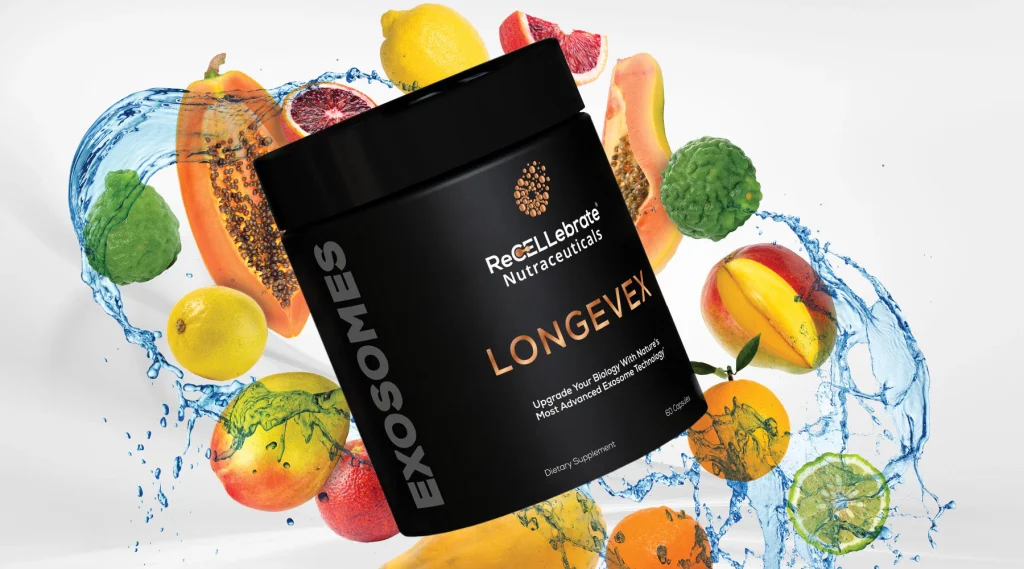
LONGEVEX™ was developed from this exact philosophy.
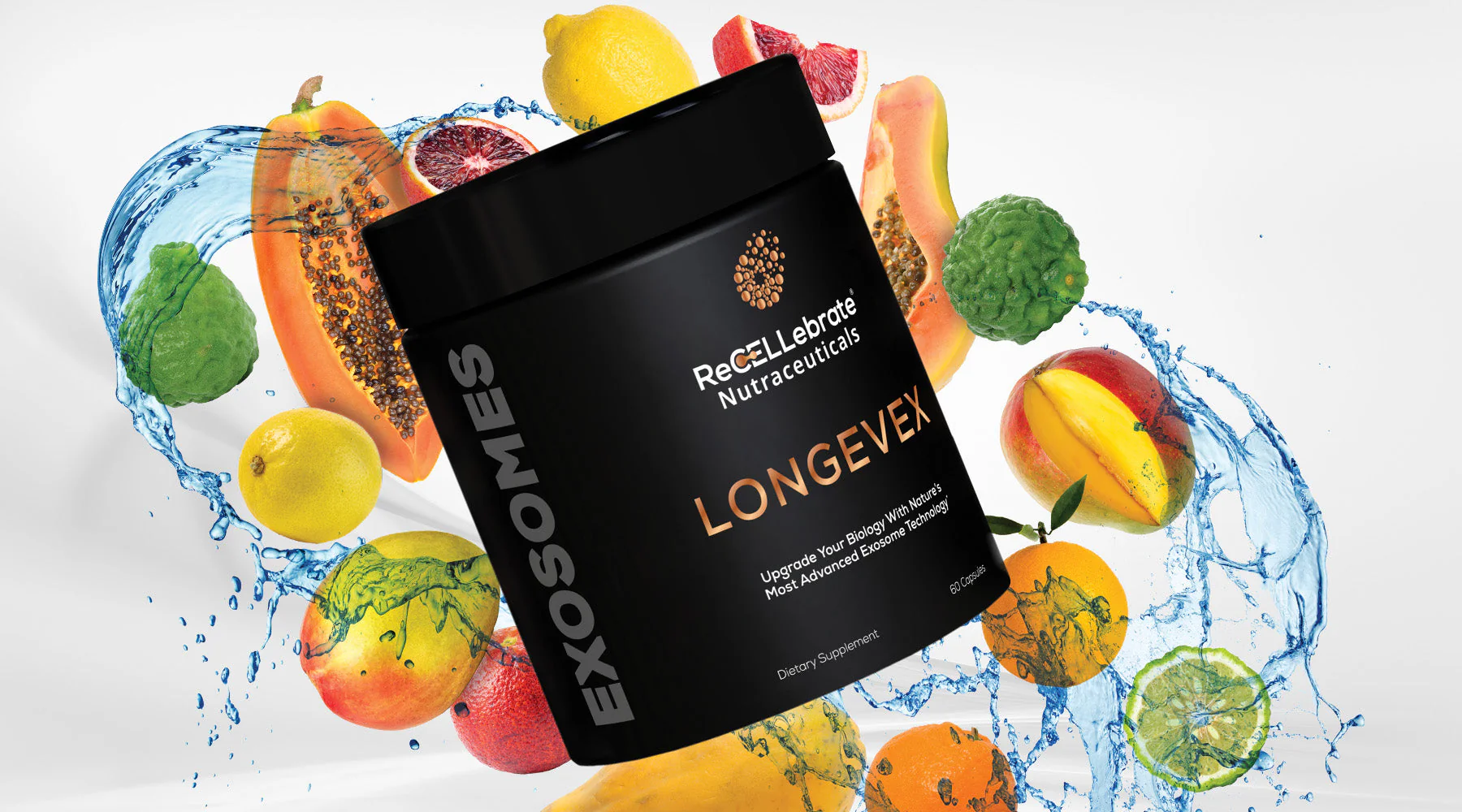
Rather than treating plant-derived exosomes as a trend, LONGEVEX™ was designed as a purposeful translation of exosomal therapy from plants, one that honors biological intelligence over force, while remaining natural Whereas most commercially available supplements are synthetic (meaning made in a lab), LONGEVEX (Longevity Exosomes) are extracted from organic Italian fruits from the Mediterranean “Blue Zone.”
LONGEVEX™ harnesses natural, plant-derived exosomes to support the body’s existing regenerative dialogue, without introducing foreign or synthetic substances. Its formulation is designed to support:
- Anti-aging pathways, by reinforcing cellular repair signaling
- Inflammation modulation, guiding immune responses toward balance
- Tissue repair and regeneration, through coordinated communication
- Intercellular communication, the foundation of regenerative health
This approach reflects emerging evidence showing that plant-derived exosomes can influence inflammation, immune balance, and tissue homeostasis in a biologically familiar way. 3 Harnessing Exosomes and Plant-Derived
Rather than targeting a single outcome, LONGEVEX™ supports the environment in which regeneration naturally occurs.
Dr. Jeff Gross and Translational Longevity
In regenerative medicine, discovery alone is not enough. Discernment matters.
Dr. Jeff approaches longevity science with a focus on translation. He evaluates not just what is possible, but what is biologically respectful, evidence-informed, and appropriate for real human lives.
His role in shaping LONGEVEX™ reflects a commitment to curation over hype. Rather than positioning exosomal therapy as a one-size-fits-all solution, it is framed as a supportive tool; one that fits within a broader, systems-aware approach to longevity.
This stewardship ensures LONGEVEX™ remains grounded in integrity, clarity, and long-term resilience.
Your Cellular Regeneration Journey
Longevity is not about forcing the body to behave differently. It’s about helping it remember how to function well.
Plant-derived exosomes represent a quiet evolution in regenerative science—one that works with biology rather than against it. LONGEVEX™ reflects this philosophy, offering a thoughtful way to support cellular communication, balance, and renewal.
If you’re ready to explore what regenerative longevity can look like when guided by science and respect for the body’s intelligence, ReCELLebrate is here to support your journey.
Live beautifully longer. Contact ReCELLebrate today.

Frequently Asked Questions
Plant-derived exosomes are naturally occurring, nano-sized vesicles released by plant cells. They carry bioactive molecules such as lipids, proteins, microRNAs, and crucial phytonutrients that help facilitate cellular communication and cellular functions without our biochemical pathways. When sourced from edible plants, these exosomes can interact with human cells in ways that support balance, repair signaling, and overall cellular health.
Unlike mammalian-derived exosomes, plant-derived exosomes originate from fruits and vegetables humans have been consumed for thousands of years. This makes them biologically familiar and naturally low in immunogenicity. lant-derived exosomes are also highly stable, allowing them to survive human digestion and participate in high concentration phytonutrient delivery and cellular communication without introducing foreign or synthetic substances.
Exosomal therapy focuses on supporting the body’s natural communication systems rather than just forcing specific outcomes. Plant-derived exosomes play a unique role in this approach by acting as biological messengers that help guide more youthful and restorative cellular responses related to inflammation modulation, tissue repair, and intercellular signaling. Rather than replacing cells or overriding systems, they support and remind how the body already knows how to function.
Emerging research suggests plant-derived exosomes may support pathways associated with healthy aging by providing phytonutrients at the highest concentration directly into the cell, by reinforcing cellular communication, by helping regulate inflammatory signaling, and by supporting tissue-level coordination. While aging is a complex, multifactorial process, maintaining clear cellular dialogue is increasingly recognized as a foundational element of longevity science.
Plant-derived exosomes are sourced from organic edible plants and have demonstrated a favorable safety profile in preclinical research. Their low immunogenicity and biological compatibility make them particularly appealing for wellness and longevity-focused applications. As with any emerging area of science, ongoing research continues to refine best practices around formulation and use.
LONGEVEX™ is formulated using carefully selected plant-derived exosomes to support the body’s natural regenerative communication. Rather than targeting a single outcome, LONGEVEX™ is designed to help support anti-aging pathways, inflammation modulation, tissue repair, and intercellular communication as part of a broader, systems-aware longevity approach. Preclinical research has confirmed that LONGEVEX™ reduces reactive oxygen species (R.O.S.) and increases anti-aging gene activity in Mitochondria (Sirtuin 1), and among other age-reduction markers.
The term exosomes treatment is often used broadly, but exosomal therapy is more accurately described as a supportive approach rather than a conventional treatment. In the context of plant-derived exosomes, the focus is on restoring clarity in cellular communication—not forcing or correcting the body, but working in harmony with its existing intelligence.
LONGEVEX™ is currently the only commercially available nutraceutical formulated specifically with plant-derived exosomes, representing a distinct category within regenerative longevity supplements. Launched in May of 2025, LONGEVEX™ represents the cutting edge of anti-aging nutraceuticals.
Research Spotlight
This article synthesizes findings from peer-reviewed research and expert reviews exploring the role of plant-derived exosomes in longevity and regenerative science.
Spotlight 1: Plant-Derived Exosomes and Cellular Communication
A growing body of peer-reviewed research supports the idea that plant-derived exosomes are capable of meaningful interaction with human cells through a process known as cross-kingdom communication.
Studies published in Frontiers in Nutrition and related journals describe plant-derived exosomes as nano-sized vesicles that carry lipids, proteins, and microRNAs capable of influencing inflammatory signaling, immune modulation, and metabolic balance. Importantly, these vesicles have demonstrated stability through digestion and the ability to interact with intestinal and systemic tissues.
Unlike isolated nutrients, plant-derived exosomes deliver bundled biological information, allowing them to support cellular coordination rather than targeting a single pathway. This systems-level influence is a key reason they are gaining attention in longevity science and regenerative research.
Spotlight 2: Functional Food Exosomes and Longevity Pathways
Research into functional food exosomes has expanded our understanding of how food-derived biological signals may contribute to long-term health and resilience.
Multiple studies have shown that plant-derived exosomes sourced from edible plants can:
- Modulate inflammatory pathways
- Support gut barrier integrity
- Influence immune balance and metabolic regulation
These effects are achieved without introducing synthetic or foreign substances, highlighting the biological compatibility of plant-derived exosomes in wellness-focused and longevity-oriented applications.
This research supports a broader shift in exosomal therapy—from intervention-based models toward approaches that reinforce the body’s innate ability to maintain balance, repair tissues, and adapt over time.
References
- Gross J. Plant-Derived Exosomes: Nature’s Cellular Messengers for Human Health, Immune Support, and Longevity. Lifespanning Magazine. May 2025.
- Di Raimo R, et al. Functional Food Exosomes: Emerging Roles in Intercellular Communication, Inflammation Modulation, and Longevity Pathways. Frontiers in Nutrition. 2024.
- Kim J, Li S, Zhang S, Wang J. Harnessing Exosomes and Plant-Derived Exosomes for Therapeutic and Regenerative Applications. Journal of Nanobiotechnology. 2023.
- Zhao B, et al. Plant-Derived Exosome-Like Nanoparticles: Composition, Bioavailability, and Therapeutic Potential. International Journal of Molecular Sciences. 2024.