
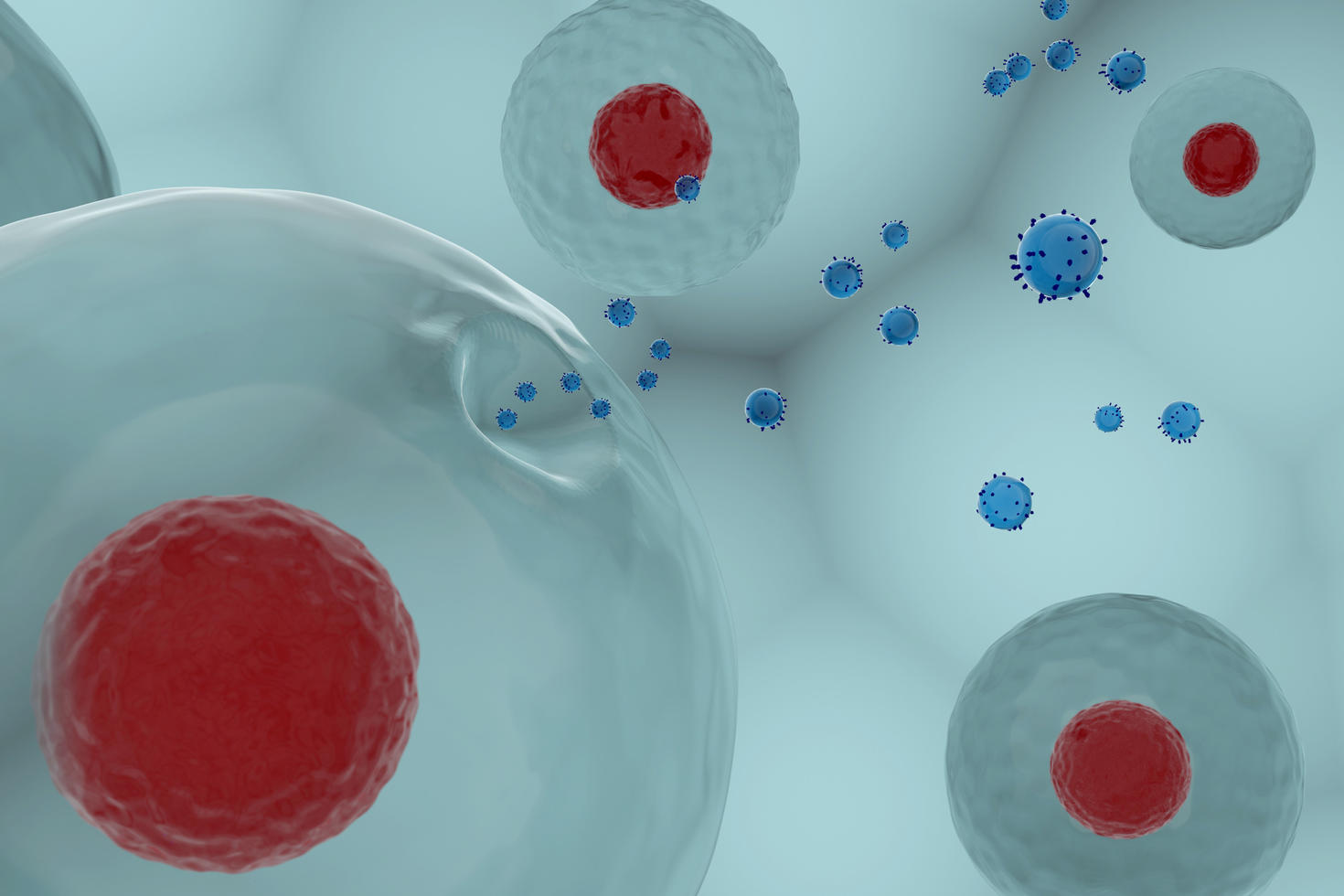
Have you ever asked the question: what are exosomes? Have you questioned their potential? If so, you are not alone.
Exosomes are tiny cellular messengers naturally released by stem cells, carrying proteins, RNA, and lipids to communicate and coordinate repair throughout the body. Exosome regenerative medicine applications are increasingly recognized because they appear to support cellular function and overall health. They are considered the business end of stem cell therapy.
Yet still, misconceptions about exosome therapy can cloud understanding. We are here to separate fact from fiction by busting these four common myths about exosomes:
Myth 1: Exosomes Will Start Working Right Away
Everybody wants immediate results. Who would not want a fast fix? But not all exosome treatments are instantaneous. Exosomes work by helping your body’s cells function more optimally and regenerate more efficiently. The changes can occur gradually although anti-inflammatory activities stimulated by exosomes can begin immediately. Over time, you may notice improvements as your natural systems respond. This steady progress is what makes exosome therapy a sustainable and meaningful option for long-term health without drugs or surgeries.
Myth 2: Human-Derived Stem Cells Can Lead to Cancer
Some people worry about exosome therapy because of its cellular origins. The truth is that exosome regenerative medicine is cell-free. They cannot divide or grow uncontrollably. Exosome therapy is designed to help the body, not harm it, providing a potentially safe alternative that supports natural repair without introducing cancer risk. There are no reported cases of cancer stimulation from stem-cell derived exosome therapy.
Myth 3: Exosomes Cause a Negative Immune Reaction
Introducing anything new into the body can feel risky. But exosomes are naturally occurring neutral messengers your cells already understand. They appear to be extremely well tolerated and have not been known to provoke harmful immune responses. Exosomes have very few surface markers and are therefore not identified as foreign. Our bodies cannot tell the difference from exosomes our own stem cells made and exosomes from donor stem cells. Exosome therapy can work in harmony with your body, enhancing anti-inflammatory cell pathways, cell function, metabolism, and therefore fostering restoration, repair, health, and vitality, rather than creating inflammation or rejection.
Myth 4: Stem Cell Activation and Exosome Therapy is Painful
Many people assume regenerative treatments are uncomfortable or more involved. In reality, exosome regenerative therapy approaches are minimally invasive or non-invasive, often involving injections or topical applications. Discomfort is usually mild, if any, and recovery is quick. There is no down time or rest required after exosome treatments. Exosome therapy helps to support the body’s own cellular and organ systems rather than forcing change through harsh intervention, making it a gentle yet effective approach.
Contact Exosomes Expert Dr. Jeff Gross to Learn More
Exosomes for therapy are not just a trend– they are a shift in how we understand regeneration and approach accelerated healing. They provide a natural, supportive way to bolster cellular rejuvenation, helping your body address issues from the inside out.
If you have asked yourself, “what are exosomes used for?”, “what are exosomes good for?”, or even “can exosomes help me?”, then we are here to answer your questions! Our regenerative medicine specialists, Dr. Jeff Gross is here to help you understand exosome therapy and its potential.
Book a consultation today to learn more about the world of exosomes and explore whether it is right for your health and wellness goals!